

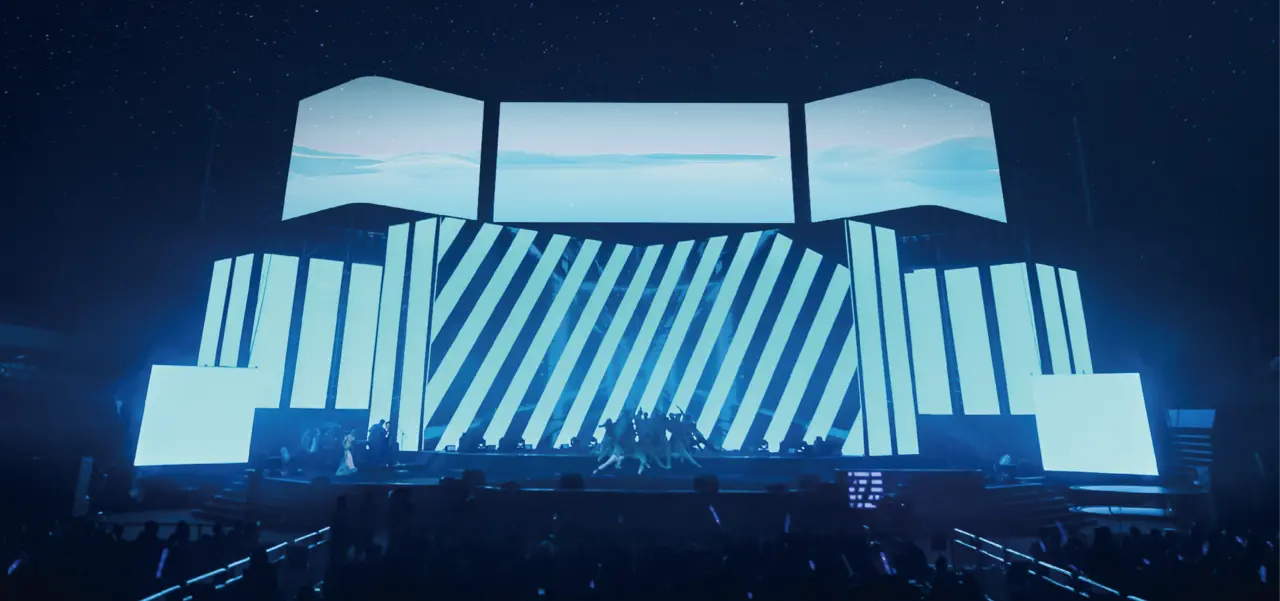
The terms sound interchangeable, but they are not always the same thing. A soft LED module and a flexible LED screen cabinet can both help create curved displays, yet they solve different installation problems.
Getting the terminology right can prevent mismatched quotes, unrealistic designs, and costly surprises during installation.
What a Soft LED Module Is
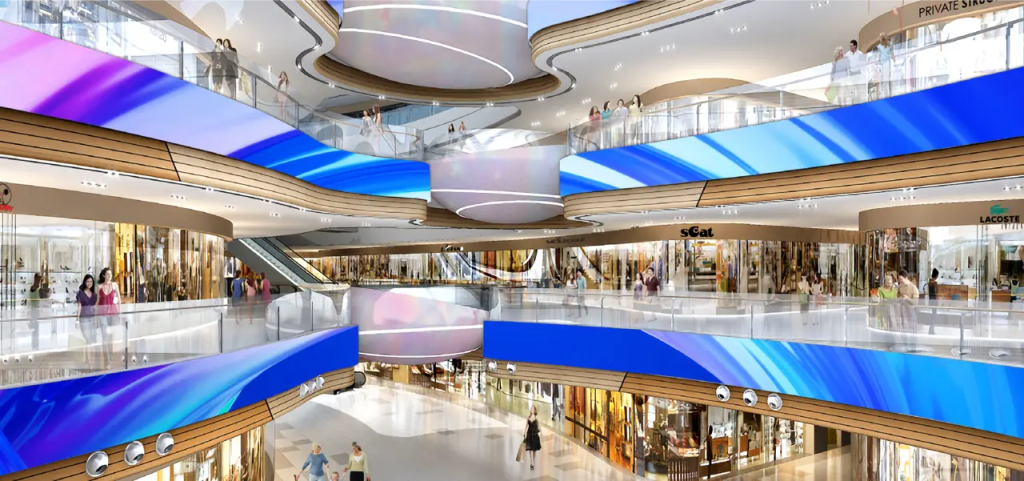
A soft LED module is a bendable LED module that can attach to a curved frame, often using magnetic mounting or a similar fastening method. It is commonly used for columns, cylinders, concave walls, convex walls, and custom shapes.
Soft modules give designers more freedom, but they rely heavily on the quality of the support structure. If the frame is wrong, the display surface will show it.
Soft modules are often discussed in retail, exhibition, museum, and architectural projects where the display needs to follow a custom shape.
What a Flexible Cabinet System Is
A flexible LED screen cabinet system uses cabinet or panel hardware designed to support curved, corner, or creative splicing. It may be easier to handle for rental projects because cabinets can be assembled, transported, and serviced in a more standardized way.
Rental teams often care about speed, repeatability, and protection during setup. A cabinet-based approach can be more practical when the same product must serve different stages, booths, and event layouts.
For buyers still comparing categories, the broader product lineup at https://www.esdled.com/commercial-led-display_c1.html can help separate commercial fixed display needs from rental or event needs.
Where Each One Works Best
Soft modules fit projects with custom curves, columns, and architectural surfaces where the frame can be fabricated accurately.
Flexible cabinet systems fit projects that need repeated assembly, touring, fast service, or modular creative shapes.
The choice is not always either-or. Some projects use a cabinet-based LED system for the main surface and specialty modules for tight details. Others use a single product family for consistency across a full installation.
Cost and Maintenance Differences
Soft modules can be highly adaptable, but custom fabrication may increase planning and installation time. Flexible cabinet systems may have higher hardware cost, but they can save time in rental environments if setup and teardown repeat often.
Maintenance should be discussed early. If a soft module is mounted around a column with poor access, replacing it may be slow. If a cabinet system is built into a permanent wall without service clearance, it can also become difficult.
According to NREL building energy documentation, real-world system performance depends on installation conditions, schedules, and operation. LED screens are no different. The product type matters, but the surrounding design determines how well it performs over time.
A Practical Decision Rule
Choose soft LED modules when the shape is highly custom and the installation is permanent or semi-permanent.
Choose flexible LED screen cabinets when the project needs modularity, rental handling, repeated assembly, or a mix of straight and curved layouts.
For commercial buyers comparing screen types, reviewing Esdlumen commercial LED display options can help frame the conversation before moving into detailed engineering.
The best product is the one that matches the real installation method, not the one with the most flexible name.
